




The Rákóczi Castle and the Reformed Church in Szerencs have been designated as historical memorial sites, MTI reported on 27 March.
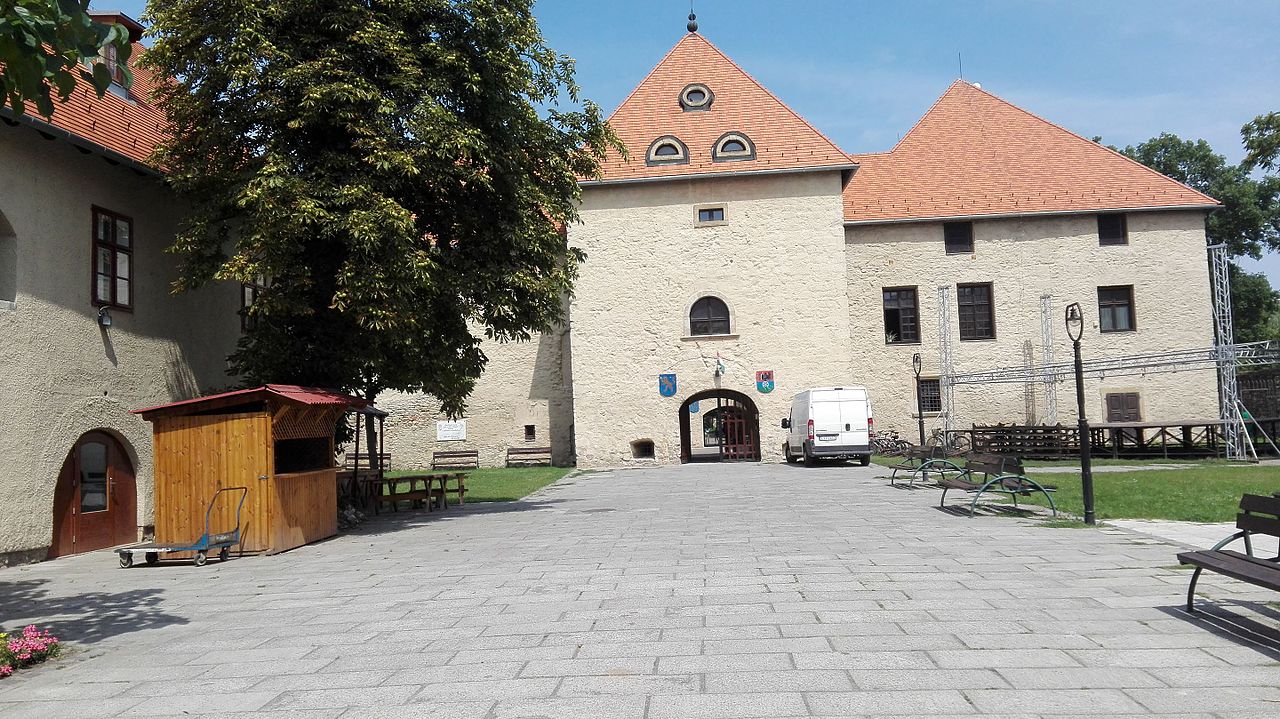
János Áder, former President of the Republic and Chairman of the Board of Trustees of the Blue Planet Climate Protection Foundation, said at the inauguration ceremony that the decision opens a new chapter in the fortification standing at the gateway to Hegyalja and the centuries-old church, which will receive special attention and protection in the future. He recalled that the castle was built in the 16th century, and was strengthened and acquired its Renaissance character during the Rákóczi family’s ownership.
It was in this church, which has also been designated a historic monument, that István Bocskai was proclaimed prince in 1605, and it is here that Zsigmond Rákóczi, Prince of Transylvania, is also buried.
The former head of state pointed out that the designation of a site as a historical monument remains a „permanent challenge” for researchers and experts. He added that, in keeping with this, a conference will be held to commemorate the life and work of Prince Ferenc Rákóczi II on the 350th anniversary of his birth.
A community space that is still thriving today
Zsófia Koncz, State Secretary for Family Affairs, emphasised that the designation as a historic site is a „source of immense pride” for Szerencs and also sends a message that the town has always been able to renew itself and get back on its feet throughout history.
The State Secretary noted that the Szerencs Castle remains a vibrant community space to this day, where programmes, concerts and performances are regularly organised, and which is home to one of the world’s largest collections of postcards.
Some of the memorial sites have joined the national programme on remembrance education
Gábor Móczár, Director-General of the National Heritage Institute, spoke about the inclusion of Rákóczi Castle and the Reformed church in Szerencs in the network of national and historical memorial sites, which currently comprises 88 locations. He emphasised that these are sites of outstanding importance that every young Hungarian should be familiar with, which is why
Some of these memorial sites have also joined the national remembrance education programme, under which more than 130,000 pupils visit historical sites on organised trips each year.
He explained that the aim of the programme is to complement school education by enabling pupils to engage with history through personal experience, which leads to more lasting knowledge and a stronger sense of national identity. At the entrance to Rákóczi Castle in Szerencs, a stele commemorating the historical site was also unveiled.
A bridge between generations
At the inauguration , Péter Harrach , Chairman of the National Memorial and Remembrance Committee, spoke about how historical memorial sites not only evoke past events but also preserve the ideals that have shaped Hungarian and European culture. He pointed out that the history of the region dates back to the Middle Ages, when Benedictine communities also contributed to the strengthening of Christian European culture.
He emphasised that this intellectual legacy lived on and was reflected in the lives of key figures in Hungarian history. The committee chair highlighted that,
The role of historical memorial sites is to build bridges between generations and help keep the national memory alive.