


The world’s first tárogó competition, featuring more than 30 entrants, will be held in Sárospatak between 26 and 28 October, with musicians from five continents expected to take part.
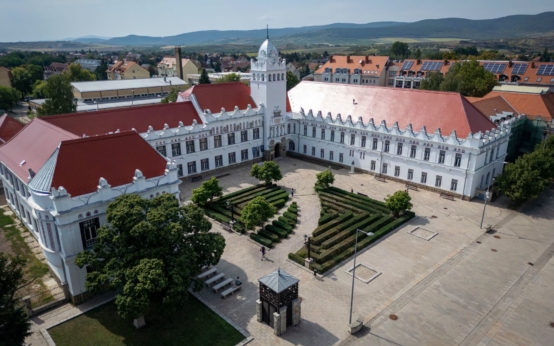
The Carpathian Basin Tárogató Competition, titled Rákóczi 350 and announced to mark the 350th anniversary of the birth of Ferenc II. Rákóczi, is being hosted by the Sárospatak Reformed Theological University. At the three-day event organised by the National Tárogató Institute Foundation, participants will compete in five age groups.
Contemporary works are also on display
According to the organisers, the entrants are preparing more than 130 performances. As well as performers from Hungary, there will also be tarogato players from the United States, the Netherlands, France and Romania.
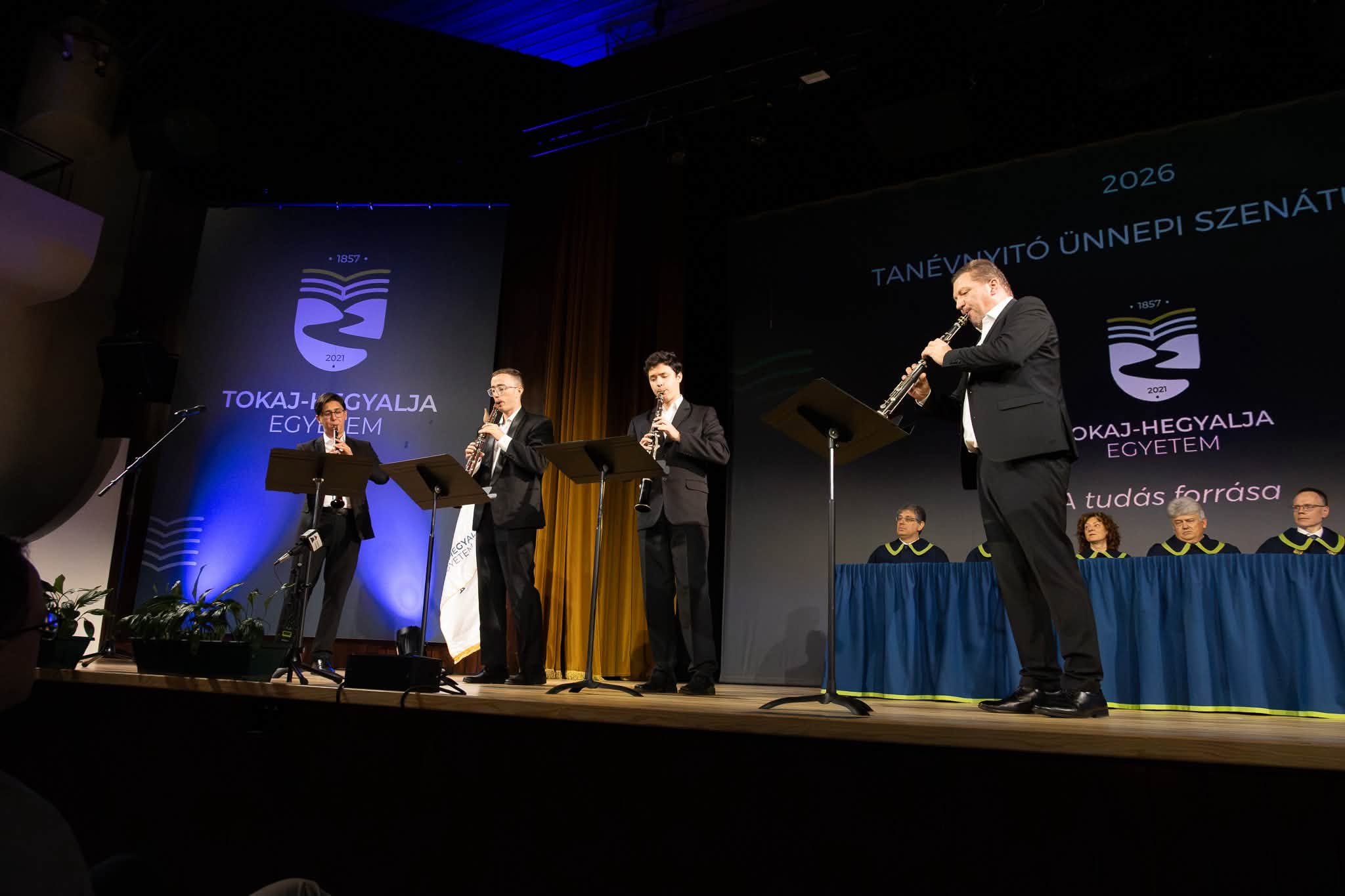
The aim of the competition is to preserve the musical traditions of the tárogató, to support young talent, and to promote the instrument both at home and abroad. As well as works linked to the musical world of the Kuruc era and the legacy of Ferenc II. Rákóczi, there is also an opportunity to perform contemporary compositions.
Valuable prizes and performance opportunities
The total prize fund for the competition is nearly nine million forints. The winners in each of the five age groups will receive a tarogato as their main prize, whilst the runners-up will receive a musical instrument voucher worth 300,000 forints and the third-placed entrants will receive one worth 150,000 forints.
In addition to the prizes, the winners will also be offered professional consultancy and performance opportunities. The event will also feature two musical instruments, each over a hundred years old, which were crafted in the workshops of János Stowasser and József Vencel Schunda respectively.
The official opening ceremony took place on 26 October at 11.00, whilst the closing concert and awards ceremony will begin on 28 October at 17.00. The tarogato in its present form took shape at the end of the 19th century; its sound, however, is closely intertwined with Hungarian historical memory and the tradition of the War of Independence.